
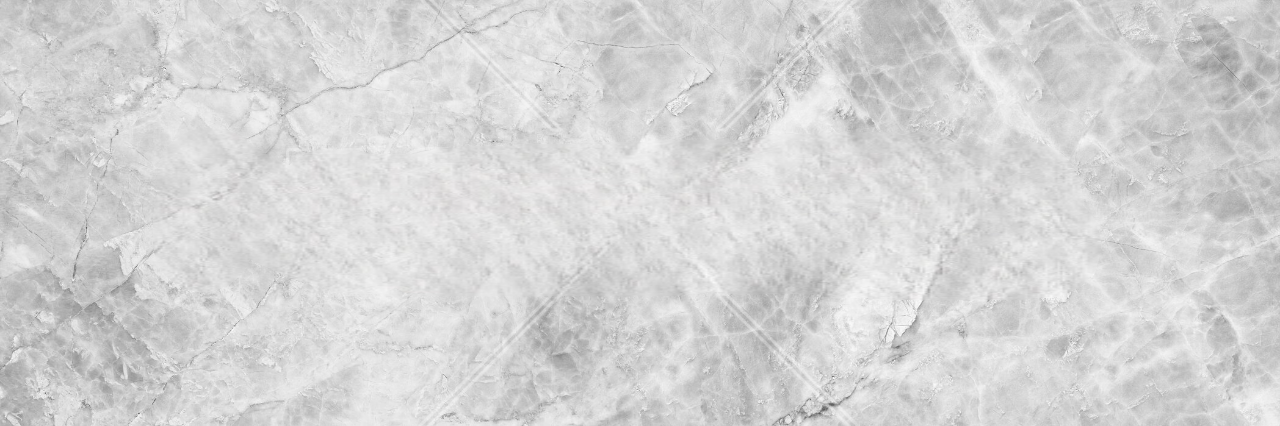
Natural stone is a versatile and unique material that exhibits a wide range of variations due to its geological formation. The variations in natural stone can include differences in color, pattern, texture, and veining. These variations contribute to the beauty and individuality of each stone, but they can also present challenges when it comes to selecting and installing the stone for specific applications. Stone cannot be made - they exists. Stone formation is a natural process determined by geological happenings and as such it can be subject to natural variations. No two pieces are identical, offering a truly unique paving option. Here are some common variations in natural stone:
General imperfections resulting from the manufacturing process or from part of the stone's makeup can also be present, such as cracks, chips, scratches and pitting. All of these are normal and should be accepted as such unless the structural integrity of the stone is compromised.
It's important for designers, architects, and consumers to be aware of and appreciate the natural variations in stone. When selecting natural stone for a project, it's advisable to view a range of samples to understand the potential variations and select stones that align with the desired aesthetic. Additionally, proper maintenance and care are essential to preserving the beauty of natural stone over time.

Natural stones come in a spectrum of colors, and even within a single type of stone, there can be significant color variations. Factors such as mineral content, weathering, and location of extraction can influence the color. Color variations are evident across all natural stone products and individual flags of the same product may differ in shade and tone. Sandstone paving is known for having a high degree of color variation, this will appear to reduce due to natural weathering. Pattern Variation: The patterns in natural stone can range from uniform and consistent to highly variegated and veined. Some stones have distinctive patterns, while others may exhibit a more subdued or random appearance.
The texture of natural stone can vary from smooth to rough, depending on factors such as the type of stone, its finish (polished, honed, or textured), and the geological processes that formed it.
The patterns in natural stone can range from uniform and consistent to highly variegated and veined. Some stones have distinctive patterns, while others may exhibit a more subdued or random appearance.
The texture of natural stone can vary from smooth to rough, depending on factors such as the type of stone, its finish (polished, honed, or textured), and the geological processes that formed it.
Veining refers to the characteristic lines or streaks found in many types of natural stone. Some stones, like marble, are known for their prominent veining, while others may have a more subtle or minimal veining pattern. Veining is a natural occurrence and can range from subtle to dramatic. They can appear across a batch of flags, on individual flags, or you may get flags without any veining at all.
The finish applied to natural stone surfaces can also affect its appearance. Common finishes include polished, honed, brushed, and textured. Each finish contributes to the overall aesthetic and can impact the stones performance in different applications.
Some types of natural stone paving contain traces of iron. When subjected to moisture this can cause the flagstone paving to change colour in areas, or small orange/brown marks may appear. Oxidation in any natural stone is completely normal, specific cleaning products may help make any marks less noticeable.
The size and shape of natural stone slabs or tiles can vary, even within the same batch. This can be influenced by factors such as the quarrying process and the natural irregularities present in the stone.
Some natural stones may contain fossil inclusions, adding a unique and distinctive element to the material. Fossils can include imprints of ancient plants, shells, or other organic matter.
All natural stones suffer from weathering due to continual exposure to the elements. Over time even your natural stone paving / wall cladding may become duller, pick up stains and discolor from general use. General cleaning and sealing your paving can help prevent this situation.
Several stones are UV sensitive and will fade over time. This can be treated with a sealer to ensure the colour stays dark, or it can be treated with a colour intensifier to revive the colour once faded.